Product Selection
How to Choose a Tote Bag Material
Compare materials, printing options and everyday use.
The right tote bag starts with what it needs to carry, how it will be used and the artwork you want to show. Use this guide to narrow your options before comparing specifications and quotations.
Quick answer
For trade show giveaways, start with nonwoven or laminated nonwoven options. For brand gifts, consider canvas or a suitably textured RPET fabric. For retail shopping bags, compare laminated nonwoven and Oxford options against the goods being carried. Then confirm printing, construction and budget together.
Choose by use case
Trade show giveaways
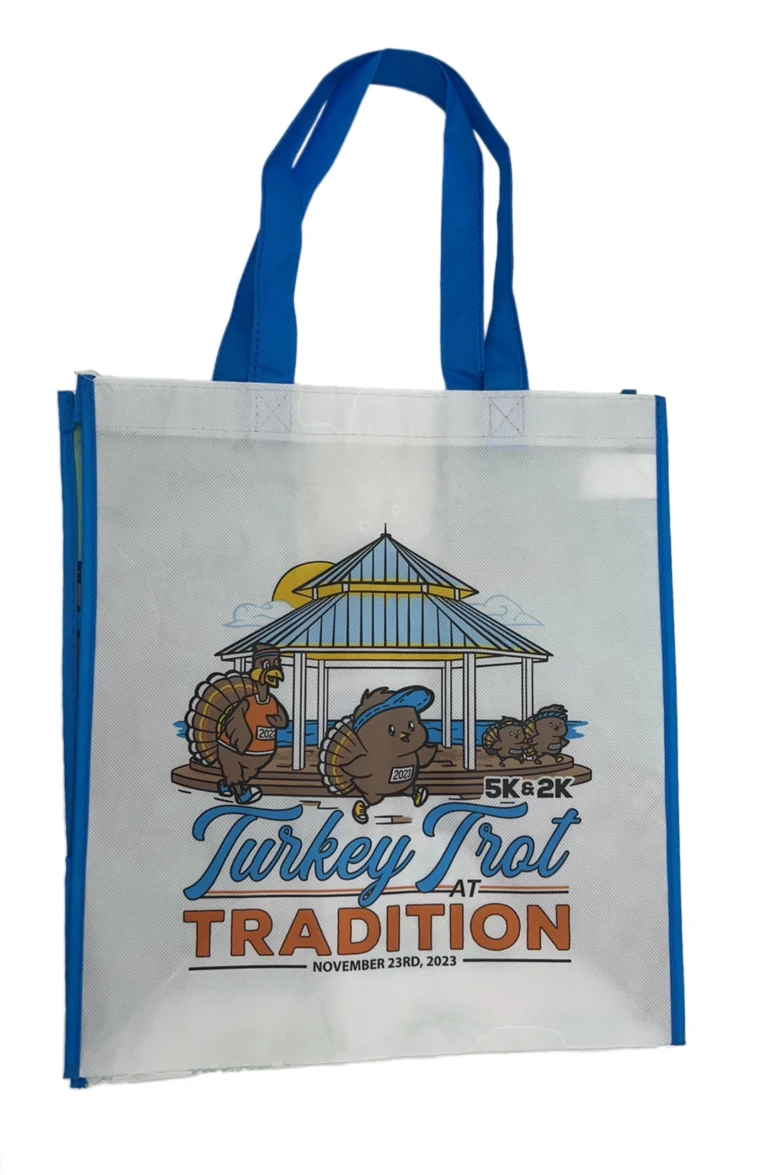
Nonwoven and laminated nonwoven are common starting points for budget-conscious distribution. Choose the production route according to whether you need a simple local logo or a large full-color design.
Brand gifts
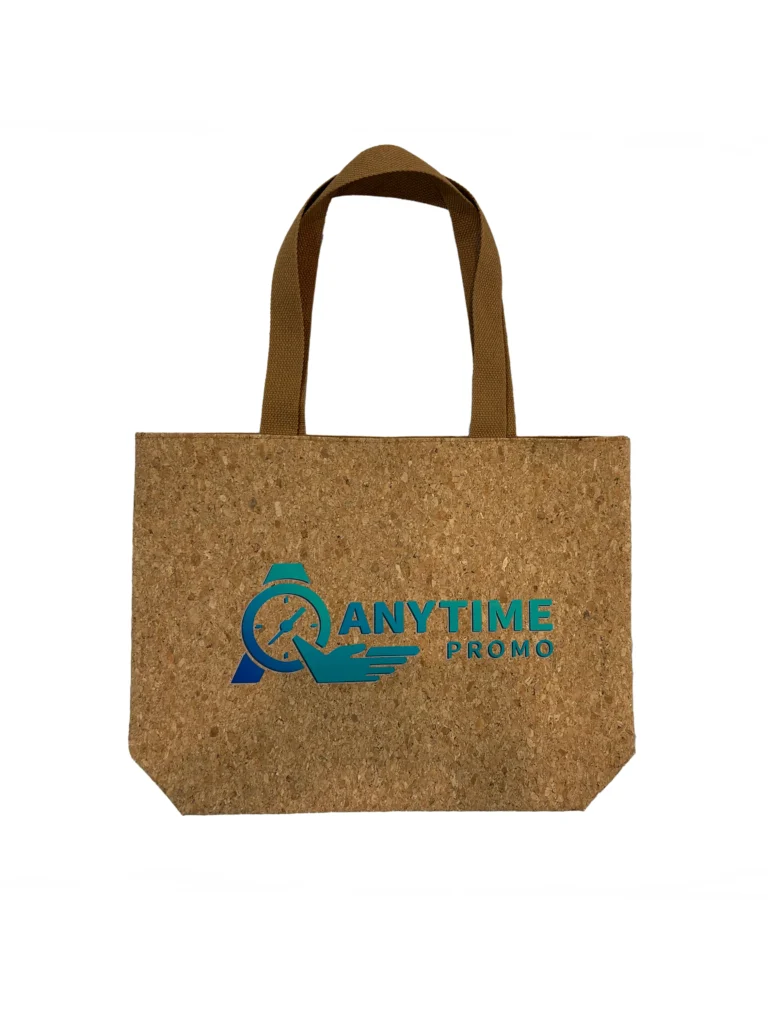
Canvas and our thicker, woven RPET gift styles suit projects where fabric feel matters. Compare actual samples and confirm any recycled-material documentation requirements.
Retail shopping bags
Laminated nonwoven can showcase colorful branding. Oxford styles are another option for repeat use. Tell us what the bag will hold so we can assess size, handles and base construction.
| Material | Typical budget band | Why consider it | Trade-offs to check |
|---|---|---|---|
| Nonwoven | Low | A practical starting point for large giveaway orders and local screen-printed logos. | Lightweight economy styles have a simpler feel and need careful assessment for heavier contents. Local full-color printing adds cost. |
| Laminated nonwoven | Low | Strong visual branding through colorful printed designs. | Full-color custom bags commonly use printed and laminated material before cutting and sewing. Post-printing on finished bags requires separate assessment. |
| Polyester | Medium | Our common lightweight styles fold easily for convenient storage. | A smoother, more basic feel; lightweight versions are not our default choice for repeated heavy loads. |
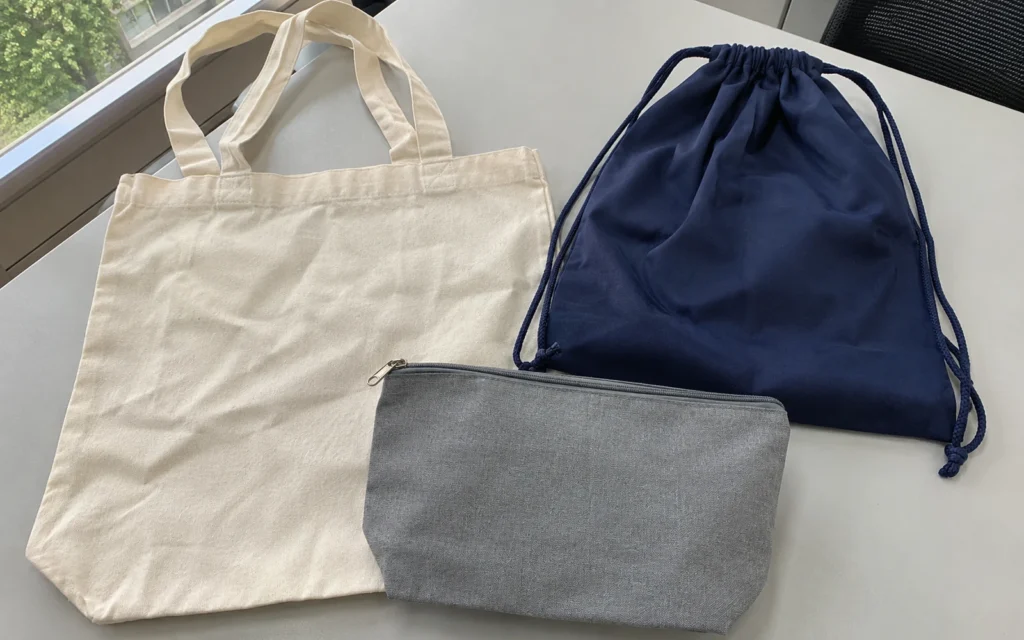
| Cotton / Canvas | Medium | Natural cotton texture, with soft foldable and heavier structured options. | Thickness and construction affect price, bag weight and ease of storage. |
| RPET fabric | Medium | Our promoted gift styles have a thicker, fine weave with a canvas-like appearance. | RPET is not one uniform texture. Confirm the actual fabric, recycled content and available documentation. |
| Jute | Higher | Distinctive coarse texture for rustic, slow-living or organic-themed gifts. | Fine artwork is harder to reproduce clearly. Check shedding and how the selected style responds to moisture. |
| Felt | Higher | Shape and structure for business gifts and gift-set packaging. | Thickness affects weight. Ink suitability and detailed full-color designs need sample review. |
| Oxford | Higher | We commonly supply structured 600D styles and lighter foldable options. | Structured styles are less compact. Compare actual fabric and construction; a coating alone does not make the whole bag waterproof. |
Swipe to see all columns
The budget bands below reflect the styles we commonly supply, compared at similar size, quantity and simple-logo requirements. They overlap and are purchasing guidance, not fixed quotations.
Your artwork changes the production route
A simple logo on a finished bag. For ordinary nonwoven bags, we commonly screen print a local logo on an existing blank bag. Local full-color printing can be assessed, but its higher cost means it is not our usual recommendation for large, budget-focused trade show orders.
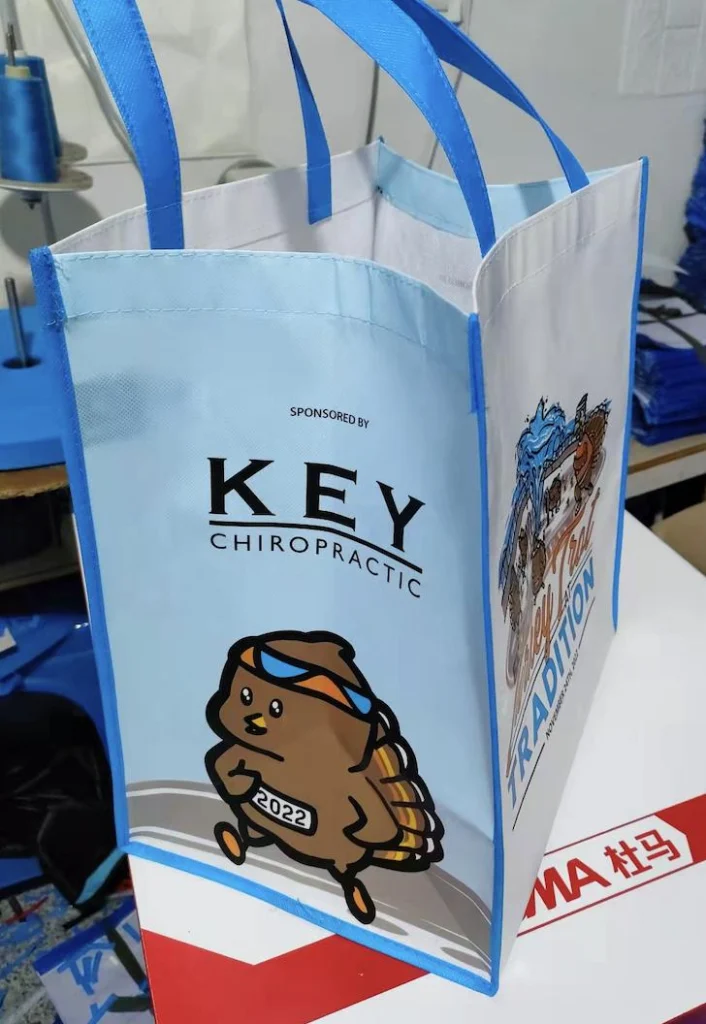
Full-color artwork on laminated nonwoven. The usual route is to print and laminate the material, then cut and sew the bag. Printing onto a ready-made laminated bag is a different process: the surface may need special treatment, and cost and adhesion must be assessed before proceeding.
Be specific about “full coverage”. In our usual quotation discussions, full coverage refers to the front panel. Back panels, side gussets and the base must be confirmed separately. Specify every panel you want printed rather than relying on the phrase “all-over printing.”
Choose the feel, not just the material name
Canvas: natural texture, two common directions
Natural off-white and white are common, with a visible cotton weave. Soft foldable styles offer a relaxed feel. Heavier, structured styles with a base can offer a more substantial presentation. Standing ability depends on the bag construction as well as the fabric.
RPET: assess the actual gift fabric
Our promoted RPET gift styles are thicker, finely woven and closer to a canvas-like look than a thin, smooth polyester shopping bag. They are usually unlaminated; laminated RPET is a special custom option rather than our standard texture-led gift recommendation.
Customers choose canvas for its cotton feel and understated appearance. They may choose RPET for a similar woven look combined with a recycled-material requirement. Compare samples rather than judging by the material name alone.
Carrying heavier items?
For bottled drinks, hardcover catalogues and gift boxes, fabric thickness is only part of the decision. We also consider handle width, reinforcement where the handles join the bag, and the base construction.
Our selection uses experience from comparable orders. For higher carrying requirements, we arrange a sample carrying check using the customer’s intended contents. The loaded bag is held for a period of time and inspected for opening seams at the handles and noticeable fabric distortion.
This is a practical loading check, not a standardized load certification. Share the contents, dimensions and total weight so we can assess the specification.
Keep your project on budget
- Start with available blank bags when the required size, color and artwork allow it, rather than a new custom-cut shape.
- Consider a lighter fabric only when it still suits the intended contents and use.
- Reduce overall dimensions to match what the bag actually needs to hold.
- Reduce print colors or coverage a single-color local logo may replace a full-color or full-panel design if the branding brief allows it.
- Simplify optional construction such as an added stiff base insert or side gussets, where this does not compromise the intended use.
Keep load-bearing reinforcement
For heavier contents, we do not recommend removing reinforcement at the handle attachment, making handles excessively narrow, or weakening essential base seams. Removing an optional rigid insert is different from removing the basic stitching needed to carry the load. For very light display or giveaway contents, a simpler specification can be assessed against the actual use.
Recycled content: confirm what the documents cover
For RPET projects, confirm the recycled content and supporting documents before ordering. Check whether the documentation applies to the body fabric or also covers handles, lining and other components, and whether a transaction certificate can be supplied for the relevant order. Available documentation must be confirmed per project.
Before requesting a quotation
- Intended use and order quantity.
- Contents, dimensions and expected total weight.
- Soft and foldable versus structured and substantial appearance.
- Bag dimensions, handle and base requirements.
- Artwork, colors and printing coverage for each panel.
- Target budget, delivery destination and required arrival date.
- Recycled-material documentation or testing requirements.
Products this guide points at
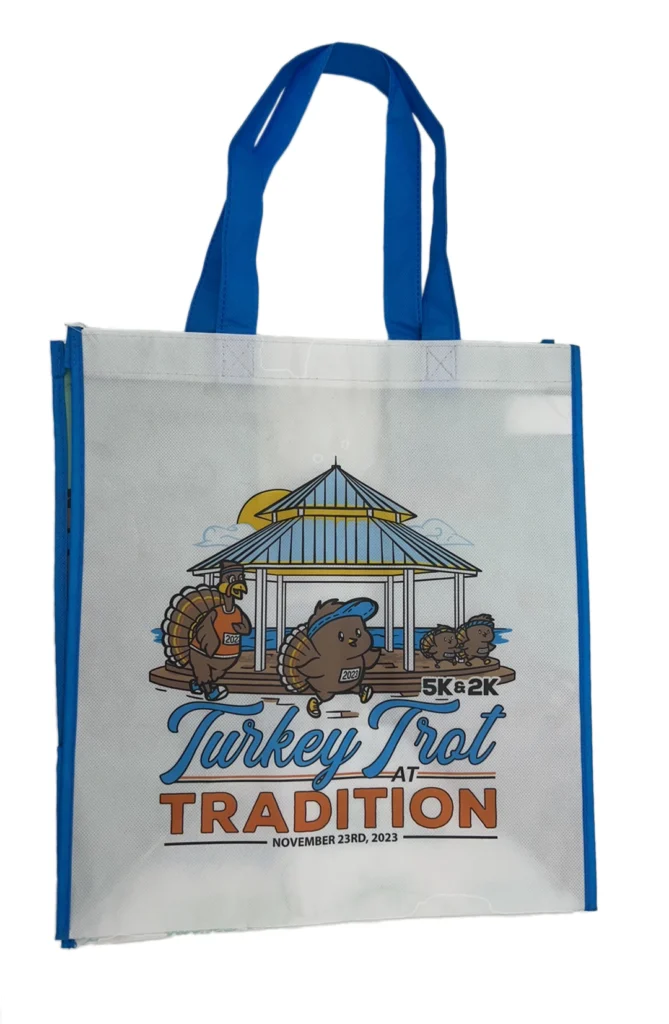
105GSM Laminated Tote Bag
SKU AT-BAG-08
- MOQ
- 100 units
- Production
- 12–15 business days
US$0.63 / unit
at 5,000 pcs · Shipping not included
PU Tote Bag
SKU AT-BAG-01
- MOQ
- 50 units
- Production
- 10–15 business days
US$1.84 / unit
at 3,000 pcs · Shipping not included
Canvas Tote Bag 12oz
SKU BG-1201
- MOQ
- 100 units
- Production
- 20–30 business days
US$3.84 / unit
at 2,500 pcs · Shipping not included
Need help choosing a tote bag?
Send us your intended use, quantity, contents and artwork. We can suggest material and construction options and explain their trade-offs.